
Introduction to Global Culinary Delights
Culinary diversity serves as a fascinating reflection of the rich tapestry of global cultures and histories. Food is a fundamental aspect of human life, shaped by geography, tradition, and societal influences. Each country boasts its own unique set of culinary practices, incorporating indigenous ingredients and age-old techniques that define its cuisine. The significance of culinary diversity lies not only in the variety of flavors and dishes but also in the stories they tell about the people who create them.
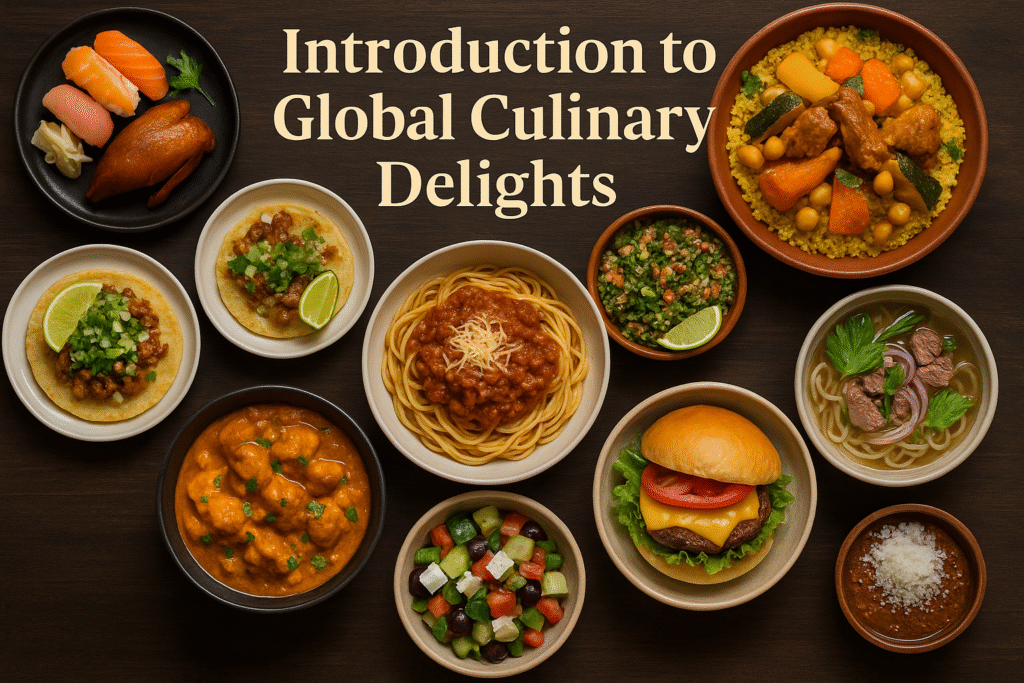 Through the exploration of global culinary delights, we gain insight into different ways of life and the connections that bind us as humans. Food is an expression of identity, a means through which cultures preserve their heritage and communicate their values. As global travelers or enthusiastic home cooks, understanding the context behind various national dishes can deepen our appreciation for them. For instance, a simple bowl of pasta can invoke the rich history of Italy, showcasing the influence of regional ingredients and historical migrations.
In this exploration, readers are invited to embark on a culinary journey, discovering detailed recipes that highlight the distinct flavors and aromas from around the world. From the spicy complexities of Indian curries to the delicate art of Japanese sushi making, each cuisine offers a unique palette of tastes waiting to be experienced. We will delve into the ingredients, preparation methods, and cultural significance of each dish, allowing readers to recreate these culinary masterpieces in their own kitchens. By celebrating global flavors, we foster a greater understanding and appreciation of the diverse culinary landscapes that enrich our world.
Culinary Journey Through Italy
Italy is renowned for its rich culinary heritage, which is deeply intertwined with its history and regional diversity. The Italian diet is characterized by the use of fresh, high-quality ingredients and traditional techniques passed down through generations. Iconic dishes such as pasta, risotto, and pizza are not only staple foods but also reflect the spirit of Italian culture and family gatherings. Each dish tells a story of the land and its people, making Italian cuisine a profound aspect of its national identity.
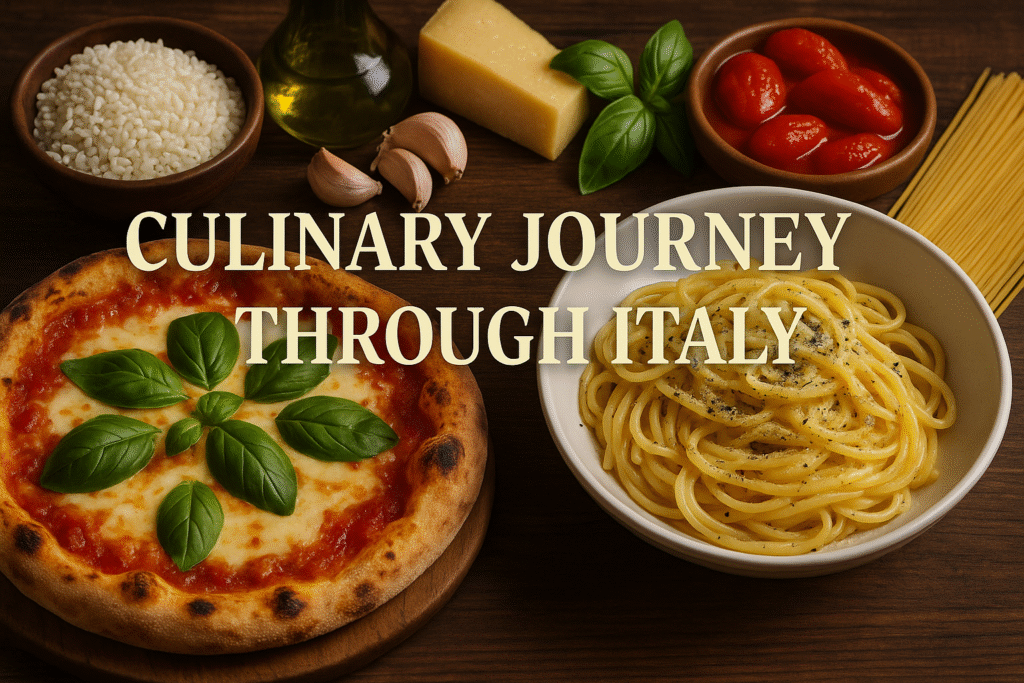 One quintessential Italian dish is Spaghetti Carbonara, originating from Rome. This dish is celebrated for its simplicity and bold flavors. To prepare Spaghetti Carbonara, one will need ingredients such as spaghetti, eggs, guanciale (or pancetta), Pecorino Romano cheese, and black pepper. Start by cooking the spaghetti until al dente. While the pasta cooks, sauté the guanciale in a pan until crispy. In a separate bowl, whisk together the eggs and cheese, creating a creamy mixture. Once the spaghetti is cooked, combine it with the guanciale and remove the pan from heat. Quickly add the egg and cheese mixture, stirring to create a smooth sauce. The residual heat from the pasta will cook the eggs without scrambling them, resulting in a delectable, silky sauce.
Another iconic dish is Margherita Pizza, which epitomizes the essence of Italian pizza. With its simple ingredients, Margherita Pizza showcases the importance of quality. To make this dish, you will need pizza dough, San Marzano tomatoes, fresh mozzarella cheese, fresh basil, olive oil, and salt. Begin by preparing the dough and allowing it to rise. Once ready, stretch the dough out to your desired thickness. Spread crushed San Marzano tomatoes evenly over the base, then layer with slices of mozzarella cheese. Season with a pinch of salt and drizzle with olive oil before baking in a hot oven until the crust is golden and crispy. Finally, garnish with fresh basil leaves after baking for an aromatic finish.
In conclusion, Italian cuisine offers a unique and enriching culinary journey. By recreating dishes like Spaghetti Carbonara and Margherita Pizza, home chefs can bring the authentic flavors of Italy into their kitchens, celebrating its vibrant culinary traditions.
Japanese Culinary Innovations
Japanese cuisine is renowned for its emphasis on fresh ingredients, meticulous presentation, and precise preparation techniques, which together showcase the art of cooking that has evolved over centuries. Among the many distinctive dishes that illustrate this culinary tradition, Ramen, Tempura, Okonomiyaki, and Mochi stand out for their cultural significance and popularity both within Japan and globally.
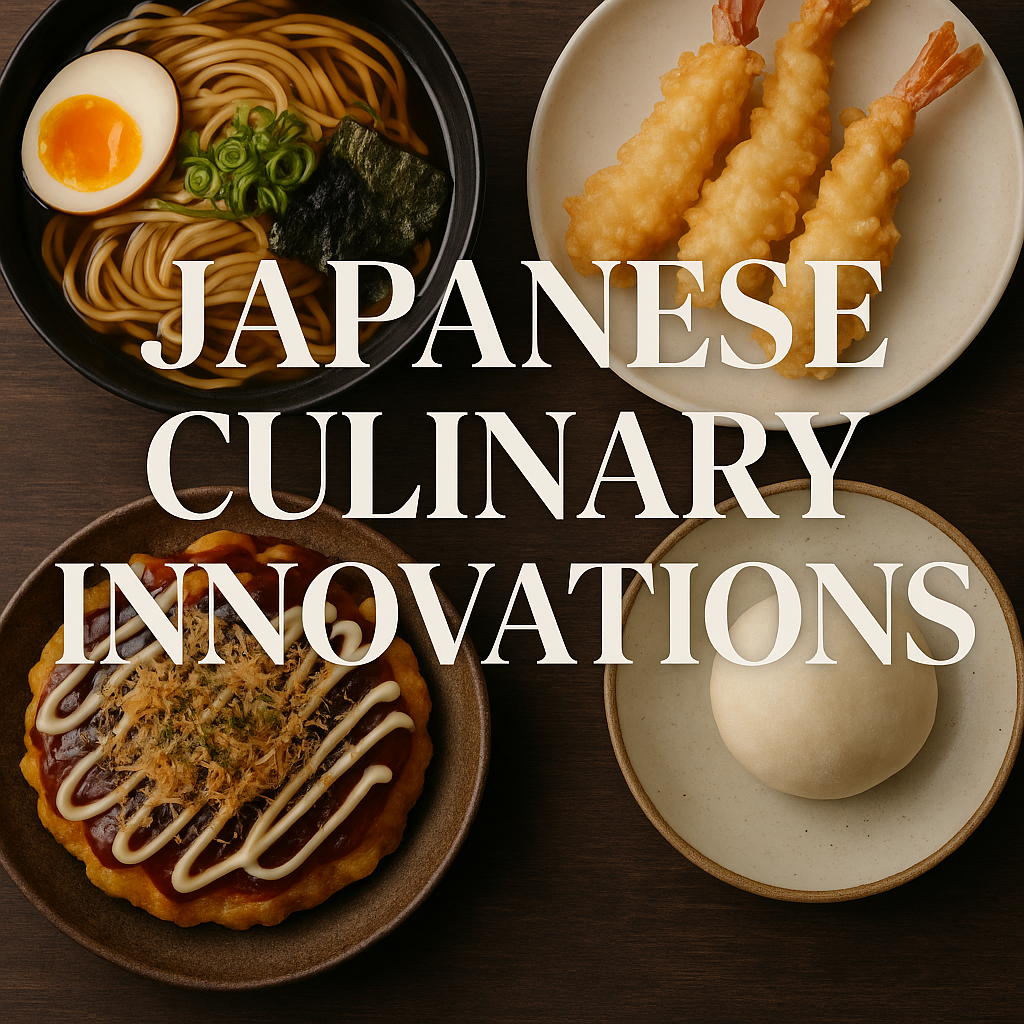 Starting with Ramen, this savory noodle soup can vary widely in its preparation and flavors across different regions of Japan. A key component of a flavorful Shoyu Ramen is the broth, which is typically a combination of soy sauce, dashi (a Japanese soup stock), and other ingredients that lend depth and umami. For an ideal broth, start with a good base by simmering kombu (dried kelp) and bonito flakes in water. This creates a rich dashi that serves as the heart of the broth. Further enhance the flavor by incorporating soy sauce and mirin for a balance of saltiness and sweetness. The final touch is to garnish your bowl with sliced green onions, nori (seaweed), and a perfectly soft-boiled egg.
Next is Tempura, a frying technique that results in a light and crispy texture. It involves coating seafood and vegetables in a thin batter and frying them until golden brown. The batter is made from cold water, flour, and sometimes egg. The key to perfect Tempura lies in maintaining the right oil temperature, typically around 180°C (350°F), to ensure a crisp exterior while keeping the ingredients inside tender and succulent.
Okonomiyaki, often referred to as a savory Japanese pancake, combines flour, grated yam, and shredded cabbage, served with various toppings such as meat, seafood, and a signature sauce. Preparing Okonomiyaki requires skill in flipping the batter while maintaining its structure, and the final product is typically garnished with bonito flakes and mayonnaise for a burst of flavor.
Finally, Mochi, a sticky rice cake, is made by pounding cooked glutinous rice into a fine paste. While often enjoyed in its simple form, Mochi can be filled with various fillings, such as sweet red bean paste, or used as a topping for desserts like ice cream. Each of these dishes exemplifies the rich heritage and innovative spirit of Japanese cuisine, inviting enthusiasts to explore and appreciate its diverse flavors and techniques.
The Flavors of Mexico
Mexican cuisine is a vibrant and diverse amalgamation of flavors, textures, and culinary traditions, contributing to its global popularity. One of the defining aspects of this cuisine is its use of fresh ingredients, including a wide range of herbs, spices, and native produce. Signature dishes such as Tacos al Pastor, Mole Poblano, and Pozole Rojo exemplify the rich culinary heritage of the country.
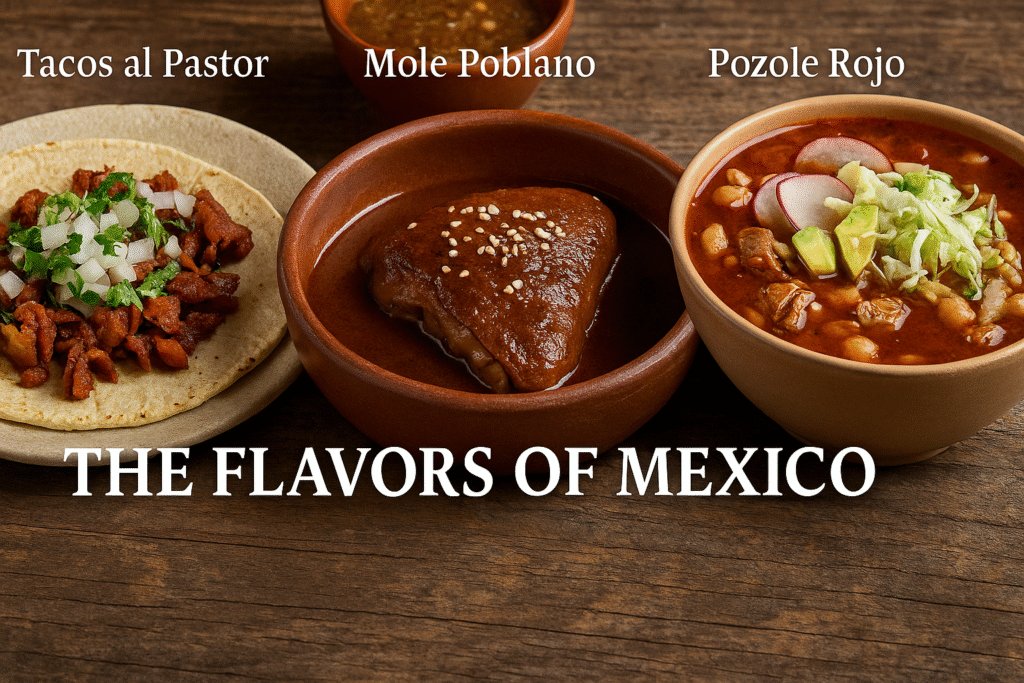 Tacos al Pastor is perhaps one of the most emblematic Mexican dishes, originating from the influence of Lebanese immigrants. This dish features marinated pork that is cooked on a vertical spit, resembling shawarma. The key to mastering the flavor of Tacos al Pastor lies in the marinade, which typically consists of achiote paste, chilies, garlic, and vinegar, and often includes pineapple. The latter not only tenderizes the meat but adds a unique sweetness that pairs beautifully with the spices. Once the meat is cooked, it is thinly sliced and served on corn tortillas, topped with onions, cilantro, and a squeeze of lime juice.
Another renowned dish, Mole Poblano, is a complex sauce that showcases the depth of Mexican cooking. Traditionally made in Puebla, this sauce combines an impressive array of ingredients, including various chilies, chocolate, nuts, and spices, resulting in a rich, savory flavor profile. The preparation is labor-intensive, often requiring toasting, grinding, and simmering the ingredients together. Mole is frequently served with poultry or enchiladas, illustrating its versatility and the importance of this dish in festive occasions.
Pozole Rojo is also noteworthy — a traditional soup featuring hominy and various meats, commonly pork or chicken. It is seasoned with red chilies, which impart a deep color and a hint of spiciness to the broth. Served with an array of garnishes, such as radishes, lettuce, avocado, and lime, Pozole embodies the communal aspect of Mexican dining, as it is often enjoyed during celebratory gatherings.
Indian Cuisine: A Spice Odyssey
Indian cuisine is renowned for its vibrant flavors and aromatic spices, reflecting the country’s diverse culture and heritage. Among the myriad of dishes available, Chicken Biryani, Butter Chicken, and Masala Dosa stand out as quintessential examples that have captured the hearts of food enthusiasts around the globe.
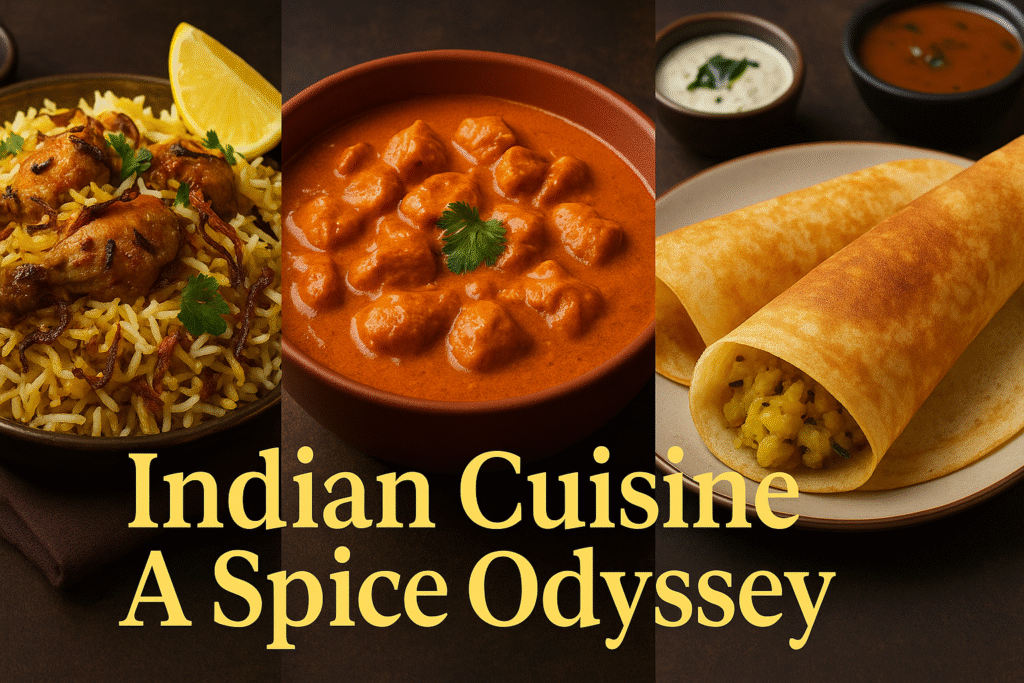 Chicken Biryani is a fragrant rice dish that combines marinated chicken with layers of basmati rice, saffron, and a blend of spices, including cardamom, cloves, and cinnamon. The preparation typically involves cooking the chicken with yogurt and spices to create a rich, flavorful gravy. The rice is then cooked separately and layered with the chicken mixture, allowing the flavors to meld together. For a home chef, achieving the perfect Biryani involves patience and attention to detail, but the end result is a dish that exemplifies Indian culinary artistry.
Butter Chicken, known locally as Murgh Makhani, is another iconic dish that is beloved across India. This creamy, mildly spiced curry features tender pieces of chicken cooked in a sauce enriched with butter, cream, and tomatoes, along with a mix of spices such as garam masala and fenugreek. This recipe is accessible for home cooks due to its straightforward method – simply marinate the chicken, grill or sauté it, and then simmer it in the rich sauce. Its combination of flavors delivers a comforting yet exotic entrée that is often served with naan or rice.
Masala Dosa, a staple from South India, is a thin, crispy crepe made from fermented rice and lentil batter. It is typically filled with a seasoned mashed potato filling, spiced with mustard seeds, curry leaves, and turmeric. The fermentation process develops a subtle tanginess that elevates the dish’s flavors. Making Masala Dosa can be a rewarding experience, as the batter requires some preparation and time, but the delightful contrast of textures and flavors makes it a popular choice among breakfast options in Indian cuisine.
Indian cuisine is an exploration of spices and techniques that result in an array of delightful dishes. These standouts – Chicken Biryani, Butter Chicken, and Masala Dosa – provide an excellent opportunity for home chefs to immerse themselves in the rich culinary tradition of India, capturing its essence in their kitchens.
American Classics: From Coast to Coast
American cuisine presents a rich tapestry of traditions influenced by diverse cultures and regional ingredients. Among these, Southern Fried Chicken and Mac and Cheese stand out as quintessential comfort food staples that have garnered a place in the hearts of many. Understanding the preparation of these dishes not only highlights their significance in American culture but also brings the opportunity to recreate these flavors in your own kitchen.
To prepare Southern Fried Chicken, begin with selecting high-quality, bone-in chicken pieces for maximum flavor and tenderness. Marinate the chicken in buttermilk mixed with a blend of spices such as paprika, garlic powder, and cayenne pepper. This marination process not only enhances flavor but also helps to tenderize the meat. After several hours, or ideally overnight, remove the chicken from the marinade. In a separate bowl, combine all-purpose flour with salt, pepper, and additional spices as desired. Dredge each piece thoroughly in the seasoned flour, ensuring an even coating. Heat oil in a deep, heavy skillet over medium-high heat. Once the oil reaches a temperature of about 350°F, carefully place the chicken pieces in the oil. Fry until golden brown and cooked through, which typically takes about 15 to 18 minutes. Allow the chicken to rest on paper towels to absorb excess oil before serving.
Next, Mac and Cheese, another beloved American classic, offers a creamy, cheesy indulgence. Start with cooking elbow macaroni according to package instructions until al dente. Meanwhile, prepare a cheese sauce by melting butter in a saucepan and whisking in flour to create a roux. Gradually add milk, stirring continuously until thickened. Remove from heat, then gradually incorporate shredded cheddar cheese, stirring until melted and smooth. Combine the cooked macaroni with the cheese sauce, ensuring each spiral is generously coated. For an added layer of flavor, consider topping with breadcrumbs and baking until bubbly and golden. These culinary traditions not only reflect regional flavors but also symbolize the warmth of shared meals across America.
Korean Cooking: A Flavorful Heritage
Korean cuisine offers a rich tapestry of flavors, nutrition, and cultural significance. Renowned for its emphasis on fermentation and flavor balance, this culinary tradition highlights ingredients that contribute to both taste and health. Two popular dishes that showcase the essence of Korean cooking are Bibimbap and Kimchi Jjigae.
Bibimbap, which translates to “mixed rice,” is a vibrant dish featuring a harmonious blend of ingredients. Typically, it comprises rice topped with an array of sautéed vegetables, a protein such as beef, and a fried egg. The key to a balanced Bibimbap lies in the vegetables, which should be selected for their color, texture, and flavor. Popular options include spinach, bean sprouts, carrots, and zucchini. To enhance the dish’s taste, a generous dollop of gochujang (Korean chili paste) is added, providing a spicy kick. Mixing the ingredients thoroughly just before eating ensures that each bite brings forth a delightful medley of textures and flavors.
Kimchi Jjigae, a comforting kimchi stew, is another vital part of Korean culinary heritage. This dish primarily features kimchi—fermented cabbage seasoned with spices—served in a savory broth. The fermentation process of the kimchi not only intensifies its flavor but also provides beneficial probiotics. To create a well-rounded Kimchi Jjigae, incorporate tofu and pork or tuna, which lend additional depth to the stew. Cooking on low heat allows the flavors to meld beautifully, resulting in a hearty meal that is often enjoyed with a side of steamed rice. The balance of spicy, sour, and umami flavors is essential for an authentic experience.
The intricate techniques and ingredients found in these dishes embody the essence of Korean culinary traditions. As more people discover the joy of cooking Korean recipes, the cultural significance of this cuisine continues to grow globally, enriching the culinary landscape.
Exploring Southeast Asian Flavors: Vietnam and Thailand
Vietnam and Thailand are renowned for their vibrant culinary landscapes, where fresh and aromatic ingredients take center stage. Each country’s cuisine reflects its rich cultural heritage, utilizing an array of herbs and spices that create delightful and complex flavors. In this segment, we will delve into two iconic dishes: Pho from Vietnam and Pad Thai from Thailand. These recipes not only embody the essence of their respective cuisines but also offer a gateway for home cooks to explore Southeast Asian flavors.
Pho is a traditional Vietnamese noodle soup characterized by its fragrant broth, typically made from beef or chicken and served with rice noodles. The key to a captivating Pho lies in the broth, which is infused with spices such as star anise, cloves, and cinnamon, alongside fresh herbs like cilantro and Thai basil. To prepare Pho, start by simmering beef bones or chicken with the aromatics for several hours. Once the broth is ready, strain it, and serve it hot over cooked rice noodles, topped with slices of meat and garnished with bean sprouts and lime wedges. This dish epitomizes the Vietnamese philosophy of harmonizing flavors, textures, and freshness.
On the other hand, Pad Thai represents the culinary heart of Thailand, combining stir-fried rice noodles with shrimp, chicken, or tofu, and a tantalizing sauce made from tamarind paste, fish sauce, and lime juice. To ensure the perfect Pad Thai, soak the rice noodles in warm water until soft, then stir-fry them with protein and vegetables such as bean sprouts and scallions. Adding crushed peanuts and fresh lime juice elevates the dish further, providing a satisfying crunch and zesty finish. Both recipes demonstrate the essential ingredients used in Southeast Asian cooking, showcasing the unique flavors that can be achieved through the thoughtful combination of fresh produce, spices, and techniques.
Mediterranean and Beyond: Culinary Treasures from Greece to Morocco
The Mediterranean region is a vast tapestry of cultures, each contributing to a rich culinary heritage characterized by fresh ingredients, bold flavors, and time-honored cooking techniques. Among the diverse cuisines, Greek and Moroccan stand out with their unique culinary practices and iconic dishes that reflect their geography and history.
Greek cuisine epitomizes the Mediterranean diet, emphasizing fresh, high-quality ingredients such as olives, fish, and a variety of vegetables. One of the quintessential dishes is Moussaka, a layered casserole that typically includes eggplant, minced meat, and béchamel sauce. The preparation of Moussaka varies across regions, but it often highlights the use of aromatic spices and herbs, such as cinnamon and oregano, which bring warmth and depth to the dish. This Greek delicacy not only showcases regional ingredients but also serves as a comfort food enjoyed by many families during gatherings.
Shifting towards North Africa, Moroccan cuisine dazzles with its vibrant flavors, thanks to a plethora of spices like cumin, coriander, and saffron. A definitive dish that encapsulates Moroccan cooking is Tagine, named after the earthenware pot in which it is cooked. This slow-cooked stew often combines meat, such as lamb or chicken, with an array of vegetables and dried fruits like apricots or olives. Tagine infuses ingredients with rich flavors, making it a staple in Moroccan households and a highlight of celebratory meals.
The culinary techniques in both Greece and Morocco draw from their Mediterranean roots, showcasing how local ingredients unite to create wholesome, satisfying dishes. Each recipe not only tells a story of place and tradition but also invites those who prepare it to connect with the culture it represents. Exploring these culinary treasures offers an enriching experience for anyone looking to embrace the essence of the Mediterranean lifestyle.
Global Culinary Influences in Contemporary Cooking
The contemporary culinary landscape is a vibrant tapestry woven from diverse global influences that have transformed traditional cooking practices into an eclectic array of flavors and techniques. As globalization accelerates, the culinary arts have embraced a spirit of experimentation, encouraging chefs and home cooks alike to draw inspiration from various cultures. This phenomenon has led to the creation of fusion dishes that blend elements from different cuisines, breaking down barriers and redefining what constitutes culinary identity.
One of the most significant impacts of global culinary traditions is the exchange of ingredients and cooking techniques. For instance, the incorporation of Asian spices and seasonings in Western dishes has become increasingly commonplace, leading to innovative recipes that marry distinct flavors. Such integration not only enhances the sensory experience of the meals but also reflects a broader cultural appreciation and understanding. Culinary workshops and social media platforms facilitate this exchange, allowing for an unprecedented sharing of recipes and cooking styles across continents, making it easier for culinary enthusiasts to experiment and innovate.
Additionally, the emphasis on sustainable and local practices has prompted chefs to explore ancestral recipes from various cultural backgrounds, ensuring the longevity of these traditions. As people become more aware of their dietary choices, there is a growing inclination towards incorporating elements of international cuisines that emphasize seasonality and the use of fresh local produce. This leads to healthier cooking while celebrating the complexities and richness of global culinary heritage.
By blending and experimenting with recipes from different cultures, individuals not only expand their palates but also foster a deeper appreciation for the diverse culinary world. Engaging with global culinary traditions opens a pathway to creativity in the kitchen, inviting all to explore the beauty of cooking that transcends borders. The possibilities are endless, encouraging culinary enthusiasts to embark on their unique gastronomic adventures.